June 14th, 2016

Dental implants are a surgical procedure done by Dr. Werner right here at our Los Gatos, CA office. Screw-like parts made of titanium are inserted into your jaw bone and act as the root of your tooth. An artificial tooth will be placed on top of the screw, usually made out of ceramic or layered porcelain. The dental implant will look and feel just like the natural tooth you lost.
How much time will the dental implant surgery take?
There are numerous factors that determine the length of time for the dental implant procedure:
- If you’re having one tooth replaced or several
- The teeth that are being replaced
- If you need a tooth or teeth extracted before the implant placement
- The amount of time it takes for your IV to be placed
- Any last minute questions or concerns you may need addressed
All of the above factors will also govern the amount of visits to our Los Gatos, CA office you will need to make throughout your dental implant treatment period. For example, a single tooth dental implant surgery typically takes one to two hours from the time you arrive until you awaken from the anesthesia. This also includes the amount of time it takes to put on your gown, hair cap, and other surgical dressing preparations before you are able to enter the sterile surgical environment.
Does getting an implant hurt?
With nearly any surgical procedure, you will feel some sort of discomfort. Whether it is the insertion of the IV for the anesthesia, or discomfort you may feel after the surgery. However, most patients report that their pain was tolerable after their dental implant surgery. In fact, the majority of patients said the discomfort was a lot less than they expected. Dr. Werner will prescribe pain medications to help with any discomfort you may experience once you get home.
How will I feel after the dental implant treatment?
It is normal to have some bruising and swelling in the soft tissue and gum area. Usually the pain or discomfort does not require the use of anything more than an over-the-counter pain medication such as Tylenol or ibuprofen. In addition, you will have the prescription for a stronger pain medication if you need it. You should be able to work the following day.
June 7th, 2016

With the warmer and longer days here, we know many of our patients at Erich M. Werner, D.D.S. will be much more active in the summer. Though most of our patients are probably already ready to hit the field for some summer fun, we thought we would discuss a few precautions to take when it comes to keeping your teeth safe as you enjoy playing your favorite sports.
Use a Mouthguard
Are your kids participating in contact sports this summer? If the answer is yes, we strongly encourage you to have them fitted for a mouthguard at Erich M. Werner, D.D.S. before the season starts. Athletes can avoid serious mouth and jaw injuries by using a mouthguard.
Be Mindful of Sports Drinks
While sports drinks can be refreshing after a game, they unfortunately contain high levels of sugar and citric acid, which are known to erode the teeth and reduce the minerals in the outer tooth enamel. The simplest way to prevent sports drinks from damaging your teeth? Avoid them completely and drink water instead. Water is a great option to keep you hydrated before, during, or after a game.
Floss, Floss, Floss
While we always tell our patients about the importance of flossing, it is especially important on the day of the game. Athletes are likely to consume more sugar; from energy bars and chews to gum, you are not doing your teeth any favors. All that sugar may give you that extra bounce in your step when out on the field, but we want you to remember to floss when you get home, or else contend with an increased risk of cavities down the road.
If you have any questions about keeping your teeth and mouth healthy while participating in summer sports, please give us a call at our Los Gatos, CA office! Have fun!
May 31st, 2016

According to the International Congress of Oral Implantologists it is rare that your body will reject your dental implants. However, this does not mean that your dental implant will not fail. A successful dental implant is one that is placed in healthy bone and is properly cared for after the surgery takes place.
There is only one major reason why a dental implant would be rejected: a titanium allergy. The majority of dental implants are made with titanium because it has proven to be the most biologically compatible of all metals. On average, less than one percent of potential dental implant recipients reported an allergy to titanium.
Dental Implant Failure
The most common cause of dental implant failure in the upper and lower jaw is bacteria. Everyone has bacteria in their mouth. If you have bacteria in your jawbone at the time of your dental implant, it can spread from implant to implant, causing dental implant failure.
If you do not take proper care of your dental implants, that could also cause them to fail. You also have to take proper care of the implant and keep your mouth clean. The development of excessive bacteria around the implant and in surrounding tissues can lead to implant failure.
Teeth grinding is another reason dental implants fail. When you grind your teeth, it can move the implants out of position. Therefore, you should wear a mouthpiece when you go to sleep if you know you grind or clench.
If you take care of your implants by practicing good oral hygiene and visit our Los Gatos, CA office, you should not have any problems with your new dental implants. As always, ask Dr. Werner about any questions or concerns you have about you dental implants.
May 24th, 2016
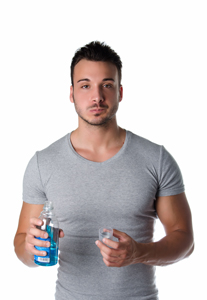
Mouthwash is important for more than just keeping your breath fresh and smelling great. Combined with other forms of dental hygiene, it can help prevent plaque, cavities, gingivitis, and other gum diseases. But it may be difficult for you to choose the right mouthwash off the shelf. Dr. Werner and our team at Erich M. Werner, D.D.S. wanted to share a few things to look for when choosing a mouthwash.
Fluoride mouthwashes
Fluoride has been the subject of many debates in the oral health community. If you live in the United States, the tap water already contains small amounts of fluoride to promote dental health. You may not need to use a fluoride mouthwash if this is the case. However, if you are cavity-prone, fluoride creates a protective film over the teeth that protects against these buildups. It also helps strengthen the enamel over the teeth, maintain good dental hygiene, and keep your teeth strong for the rest of your life.
Alcohol mouthwashes
Alcohol in mouthwash works as an antiseptic: it clears the mouth of germs and some viral infections. However, if you have issues relating to dry mouth, alcohol can exacerbate the problem. If this is the case, consider using an alcohol-free mouthwash. This will free your mouth from the drying effects of the alcohol base. Also, if you have children, you will want to get an alcohol-free children’s mouthwash, because kids are prone to swallowing the substance, and this can lead to toxic side effects. Even if you are an adult using the mouthwash, if it contains alcohol, you should avoid swallowing it.
Antibacterial mouthwashes
Antibacterial mouthwashes have chemicals to help fight gum disease and other infections. Most mouthwash products contain at least trace amounts of these antibacterials; however, some mouthwashes are made specifically to fight bacterial infections. Remember that mouthwash is prevention, not a cure, so if you are presently suffering from a bacterial infection, you should visit our Los Gatos, CA office right away. Dr. Werner may be able to recommend a more powerful antibacterial mouthwash that can help you reduce your pain and other symptoms.

 Website Powered by Sesame 24-7™