
Our Blog

What Kind of Toothbrush and Toothpaste Should My Child Use?

July 18th, 2013
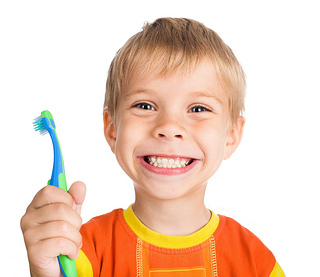
Imagine that you sit down for some evening television, and during the course of the evening, you see five commercials regarding dental products. They all claim to be the best. Then remember your last visit to the dental aisle at a local grocery store. The choices are overwhelming and there seems to be no sure answer as to which would be the best choice for your child.

Erich M. Werner, D.D.S. recommends that parents break down the decision process. First, consider your child’s age and stage of development. Up until age ten to 12, your child cannot adequately brush or floss independently. It is not a maturity issue, but rather dexterity. Automatic toothbrushes are highly appropriate for all ages. Brushing quality improves when using a battery-powered toothbrush. Use it together with your child, and always play an active role in your child’s oral home care.

As a general rule, the brush head of the toothbrush should be a little larger than the child’s upper portion of the thumb. This will help ensure it will fit in all the places it needs to.

Flossers are great for children. These will have a horseshoe shape on one end with floss in-between. A particular brand name does not matter. Some have a higher quality and this should be evident when you use them. You can make a choice for individual preference with color, handle size, or shape, etc.

There are many brands of toothpaste and there are also differences in the ingredients. Some contain sodium fluoride, the standard ingredient in cavity prevention. Others have stannous fluoride, which is anti-bacterial and anti-cavity. Potassium nitrate is commonly found in anti-sensitivity, and triclosan is found in one particular brand for anti-bacterial properties. It is most common for children to be at a high risk for cavities. Therefore, our team at Erich M. Werner, D.D.S. recommends toothpaste with fluoride once your child is old enough to spit.

Before a child can spit, use toothpaste without fluoride. This is an ideal time to use toothpaste with xylitol. Xylitol should be listed as the first ingredient; this way you’ll get the almost medicinal property of this natural sweetener. After you have found the right type of toothpaste, consider its flavor. The best kind of toothpaste is one that will be used, so choose a flavor that your child will love!

If you have any other questions, our would like specific brand recommendation feel free to call us at Erich M. Werner, D.D.S. or ask Dr. Werner during your next appointment!
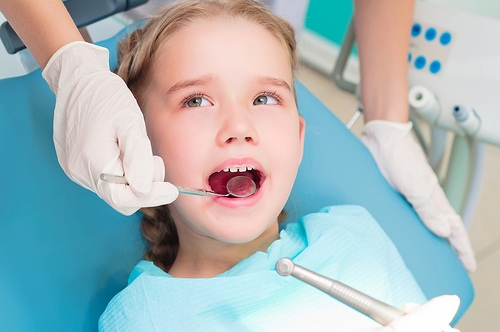
Treatment and Diagnosis for your Child’s Teeth Grinding

July 11th, 2013

The habit of grinding teeth can be both painful and harmful for your children. If you discover that they are frequently grinding their teeth—a condition called bruxism—here is some helpful information on the problem, and how you can find help to put a halt to it.

How to Know if Your Child is Grinding

Sometimes, identifying a child that grinds teeth is as simple as checking in while he or she is asleep. At other times, you may not be able to readily identify the grinding problem. A few of the most common symptoms associated with bruxism include:

  • Frequent teeth grinding or clenching of the jaw (in some cases it may be more subtle; in others it may be loud enough that you can hear it)
  • Teeth that are worn down
  • Complaints of sensitive teeth
  • Pain or tightness in the jaw muscles, or an earache or other jaw pain
  • Frequent unexplained headaches

In most cases, if your children are grinding their teeth, they will do it at night. If the teeth grinding is a result of excessive amounts of stress, it may also happen during the daytime. Some of the most common reasons children grind their teeth involve:

  • Improper alignment of top and bottom teeth
  • As a response to pain, especially for tooth, jaw, or gum pain
  • Excessive stress, tension, or anger

Treatment Options for Bruxism

In many cases, children will grow out of the teeth grinding as their permanent teeth develop, replacing poorly aligned or painful baby teeth. If your child grinds his or her teeth more frequently, or you begin to notice significant damage, it may be more serious and need to be addressed by Dr. Werner before it causes more permanent pain or problems.

In some cases, our team at Erich M. Werner, D.D.S. may recommend that your child wears a protective mouthguard to prevent grinding, or work with a therapist or other specialist to develop awareness of the grinding. If the grinding is caused by stress or anxiety, it may be helpful for you to sit down and talk to your child each day about how she is feeling, and why, to help her work through the stress.

Teeth grinding can be a painful, problematic condition for some children. However, a combination of parental vigilance and frequent visits for regular checkups at our Los Gatos, CA office can help. If you are concerned that your child may be grinding his or her teeth, and it could cause permanent damage before the child grows out of it, come talk to us about strategies for dealing with bruxism, and ways for you to help your child.

I’m on a diet and getting MORE cavities!

June 27th, 2013

Health gurus rave about replacing unhealthy food choices with healthy ones in your diet. If you want to maintain your beautiful smile as well as your waistline, choose foods that are good for your teeth and good for losing weight. This article will discuss some of the worst healthy foods for your teeth and what you can do to continue to enjoy them.

When watching your weight, snacks heavy in sugar and starch are the first target for elimination. You want to trade those empty calories for something with more nutritional value. A healthier snack is fruit and vegetables. When you are substituting empty calories with whole foods such as fruits and vegetables, consider a few implications for your dental health.

The most acidic fruits are grapes, grapefruit, and strawberries. Want to know the number-one worst healthy food for your tooth enamel? Apples! An apple a day may keep the doctor away but you may soon be calling your dentist.

Another healthy food often incorporated into dieting is salads. But consider what you put in those salads. Salad dressings are filled with vinegar and sweeteners. These make a salad very acidic and can change the pH of your mouth from alkaline, which is good for your teeth, to acidic, which puts your smile at risk for erosion and decay.

Last but not least is diet soda. You might be cutting down on the calories but you are still putting your teeth at risk for decay. Though calories are reduced, the acid is not.

You do not need to eliminate any of these foods from your diet. Simply alter what you do after eating these foods to decrease the amount of acid your teeth are exposed to.

During your next visit to Erich M. Werner, D.D.S. in our Los Gatos, CA office, we can discuss your diet. We may recommend using certain products to fortify your teeth or change the way you routinely care for your teeth.

Please enjoy the wonderful whole foods that are great for a healthy waistline. A healthy waistline and a healthy smile have a positive influence on your general health. A healthier you is a happier you. The happier you are, the more you smile. Keep your smile brilliant and beautiful with the care your teeth deserve at the practice of Dr. Werner.

Teeth Grinding: Not Just a Bad Habit, But a Dental Concern

June 20th, 2013

Perhaps you don't even know you grind your teeth. Maybe a spouse or loved one woke you up in the middle of the night and made you aware of what was happening.

For many people, teeth grinding is a habit and a mechanical reflex; when they’re awakened and informed they were grinding their teeth, they have no recollection of it at all. According to the American Dental Association, this is the nightly situation for roughly ten percent of Americans. From young children to the elderly, teeth grinding, known in the dental community as bruxism, is a serious concern.

Many people who grind their teeth in their sleep have no idea they're doing it. In fact, when they wake up in the morning they feel no jaw pain and their teeth are fine: if it hadn’t been for someone telling them about it, the teeth grinding would have gone unnoticed.

There are other people, however, who wake up with jaw pain, shoulder and neck pain, and headaches. Teeth grinding can cause a host of dental complications. From cracked teeth and receding gums to a misaligned jaw, teeth grinding is not something to take lightly.

Preventive measures are the key to combating bruxism, and a visit to Erich M. Werner, D.D.S. can set you on the path to a healthy and safe night sleep.

The Reasons for Teeth Grinding

There are many reasons for teeth grinding. For some people, it’s a habit they acquired when they were a child and never grew out of. On the other hand, some research claims that the condition is related to stress, anxiety, or some other type of psychiatric issue.

Still other studies point to everything from poor muscle control or over-eating before bed to gastro-esophageal issues. However, the root cause of the teeth grinding is less important than identifying preventive measures against it.

Common solutions to teeth grinding include:

  • Wearing a protective nightguard
  • Stress management techniques
  • Medications and muscle relaxers

When you make an appointment with Dr. Werner at our Los Gatos, CA office, we will assess your situation and determine what the best course of action is. Teeth grinding is a dental concern that can cause serious health issues down the road, so be sure to take preventive measures today.