Our Blog

Broken Tooth: Is It an emergency or not?

August 20th, 2014
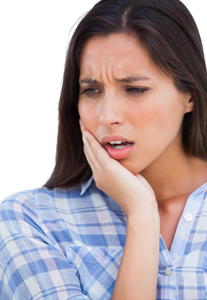
Have you ever had that sinking feeling after biting into something soft and chewy and feeling something hard and crunchy instead? You’ve chipped or broken a tooth, but what should you do next? First try to assess the damage by determining whether it’s a chip or a whole tooth.

As Dr. Werner will tell you, a broken or chipped tooth is usually not a dental emergency unless you are experiencing a great deal of pain or bleeding, but you should contact us for an appointment shortly afterward. Be sure to mention that you have a broken tooth so we can fit you into our schedule quickly. After a thorough evaluation, we’ll recommend a course of action. If it is a small chip, we may simply smooth it out. For a larger break, the dentist may fill in the space with a composite material that matches your other teeth.

Emergency Dental Care

If you are in severe pain, are bleeding excessively, have a major break, or have lost a tooth, that is a dental emergency and you should contact us. As emergency dental specialists, we’ll be able to schedule an appointment immediately and advise you on the next steps to take.

You can rinse your mouth with warm water and apply pressure to stop the bleeding. An ice pack will help reduce any swelling. Do not take any aspirin as that could increase the amount of bleeding. Should your tooth be knocked out completely, rinse it under running water but do not scrub it. Hold the tooth only by the crown, or the part you normally see above the gum line, not by the root. If you can, put the tooth back into the socket while you travel to our office, or put it in a mild salt solution or milk. Don’t let the tooth become dry, because this can lead to damage. Once you get to our office, our dentist will determine whether the tooth can be saved or if it will need to be replaced.

A broken tooth may not always be an emergency, but it’s best to have it treated with us at Erich M. Werner, D.D.S.. While it may only be a cosmetic problem at first, if left too long without treatment, you may experience further damage to your tooth and mouth.

Five Tips to Help Kids Overcome Their Fears of the Dentist

August 13th, 2014

Is your child nervous about visiting Dr. Werner and our team at Erich M. Werner, D.D.S.? Today, we put together some tips to help ensure your little one relaxes before his or her next dental checkup!

  1. Start early. The earlier your child visits our Los Gatos, CA office, the better. This will provide your child with a familiarity and ensure that he or she is comfortable with our team, office, and surroundings, whether it’s for a preventive visit or an emergency. The American Academy of Pediatric Dentistry recommends that your child first visit the dentist at age one or when the first tooth is visible.
  2. Choose your words wisely. When preparing for a visit, go easy on the details. Over-explaining and adding more information about treatment such as a filling will lead to more questions as well as add unnecessary alarm. Remember to keep a positive attitude!
  3. Bring a distraction to your child’s appointment. Bringing along music is a great idea. Just plug in those earphones, have your child close his or her eyes, and get lost in the tunes. Listening to music can also be a pain killer.
  4. Consider a “pretend visit.” Before your child’s appointment, try role playing with him or her—you be the doctor and your child is the patient. All you'll need is a toothbrush. The key is getting your child familiar with the routine so that he or she is more relaxed once it’s time for the real visit with Dr. Werner.
  5. Stress the importance of good oral health. Instill in your child that visiting the dentist is a necessity, not a choice, and that visiting the dentist will lead to a lifetime of smiles.

We hope this helps! For more on dental anxieties, ask us during your next visit to Erich M. Werner, D.D.S.! Or, ask us on Facebook!

Call Now to Try the New Crest Sensi-Stop Strips!

August 12th, 2014

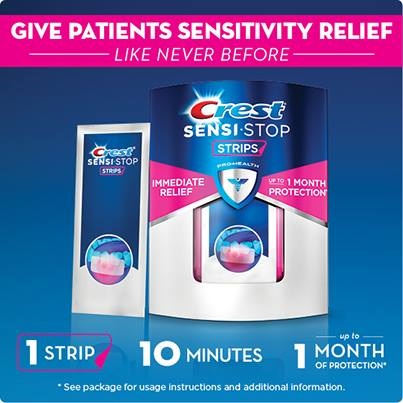
We are happy to announce that we are offering the new Crest Sensi-Stop Strips!

This product is exclusively being used on our patients who qualify and or would like to try the product in our office, however we only have a limited supply!

How to use the Sensi-Stop Strips: Apply the strip to a "hot spot" or sensitive area on the tooth for ten minutes. This will relieve sensitivity for up to 30 days, you may apply a strip to one spot no more than 3 times in one week.

"1 strip, 10 minutes, up to 1 month of protection!"Crest

For more information please call our office at (408) 358-6464

Women's Hormones and Oral Health

August 6th, 2014

At Erich M. Werner, D.D.S., we know that hormones affect a woman's mood, but did you know they can also impact the health of a woman’s mouth? Women are susceptible to gum disease at different times in their lives, and research shows that hormonal highs and lows are part of the problem. According to studies, there are five situations in women’s lives during which hormone fluctuations make them more susceptible to oral health problems: puberty, their menstrual cycles, pregnancy, menopause, and birth control pill usage. So just what happens and how can you help protect your oral health? Dr. Werner and our team have outlined the five hormonal situations and provided a few tips and tricks to fending off potential issues.

Puberty - The surge of hormone production that occurs during puberty can increase the blood flow to the gums and change the way gum tissue reacts to irritants in plaque. As a result, a woman's gums may bleed during the act of brushing and flossing.

Monthly menstruation cycle - Hormonal changes (especially the increase in progesterone) occur during a woman’s menstrual cycle. These changes can lead to red swollen gums, swollen salivary glands, canker sores, or bleeding gums.

Pregnancy - Hormone levels tend to fluctuate during pregnancy. As a result, women are at greater risk to develop a condition called gingivitis, the early form of gum disease. Dr. Werner may recommend more frequent professional cleanings during your second or early third trimester to help reduce the chance of developing gingivitis. Please let us know if you are pregnant during your visit.

Menopause - Women are known to experience numerous oral changes as they age. These oral changes can include greater sensitivity to hot and cold foods and beverages, a burning sensation in your mouth, or dry mouth. Dry mouth, also known as xerostomia, can result in the development of tooth decay and gum disease because saliva is not available to moisten and cleanse the mouth. It is important to know that dry mouth can also result from many prescription and over-the-counter medications. The gradual loss in estrogen that occurs with menopause also puts older women at risk for loss of bone density, which can lead to tooth loss. Receding gums, which expose more of the tooth surface to potential tooth decay, can be a sign of bone loss in the jawbone.

Birth control pills - Some birth control pills contain progesterone, which increases the level of that hormone in the body. Women who take pills with progesterone may develop inflamed gum tissue due to the toxins produced from plaque. Be sure to tell us if you are taking an oral contraceptive during your visit.

To prevent gum disease, we recommend:

  • Brushing your teeth at least twice a day with a toothpaste containing fluoride
  • Flossing at least once a day
  • Eating a well-balanced diet
  • Avoiding sugary or starchy snacks

Dr. Werner and our team at Erich M. Werner, D.D.S. encourage you to visit our Los Gatos, CA office and practice good oral health habits at home.